Indian horticulture crossed 350 million tonnes of annual production in the last couple of seasons — larger than foodgrain output for the first time in the country’s history. The next five years won’t be about tonnage alone; they will be about value capture, quality standards, and infrastructure. Here is a short outlook on where the 2026–2030 growth really comes from.
1. Protected cultivation crosses into the mainstream
Polyhouses and shade-net structures are moving from state-subsidy-driven adoption to ROI-driven adoption. Per-acre yields in polyhouse capsicum and cucumber consistently run 3–4x open-field. As protected-cultivation film prices stabilise and local integrator networks mature, the payback period is compressing towards 18–24 months — a threshold below which mainstream lending desks start to engage.
2. Mechanisation for small and medium holdings
The sector’s fastest-growing adjacency in 2026–2030 isn’t drones — it is right-sized mechanisation for holdings under five acres. Small-scale transplanters, battery-operated weeders, basic pack-line tables and affordable grading machines. This is where Indian OEMs and imports overlap, and where the commercial opportunity is broadest.
3. The cold-chain and post-harvest gap
India still loses 25–30% of its horticulture produce in post-harvest. Every percentage point recovered is worth thousands of crores back in the sector. Expect the next decade to see heavy movement in pre-cooling units at farm gate, refrigerated mid-mile logistics, and ripening-chamber infrastructure close to consumption centres. Most of the announcement volume here will come from PPP-style investments.
4. Export-grade horticulture and compliance
European, Middle East and South-East Asian horticulture buyers are now applying stricter MRL and traceability standards. Indian exporters who invest early in GLOBALG.A.P. certification, pack-house SOPs and blockchain traceability tools will capture disproportionate share. Domestic modern retail will apply the same pressure within the decade.
5. Climate-resilient cultivars and water economics
Farm-level water availability is the biggest long-horizon variable. Drought-tolerant cultivars, drip and fertigation adoption, and sensor-driven irrigation control move from “pilot” to “default” over the period. Expect cultivar IP and subscription-based agronomy services to emerge as category profit pools.
Where the expo fits in
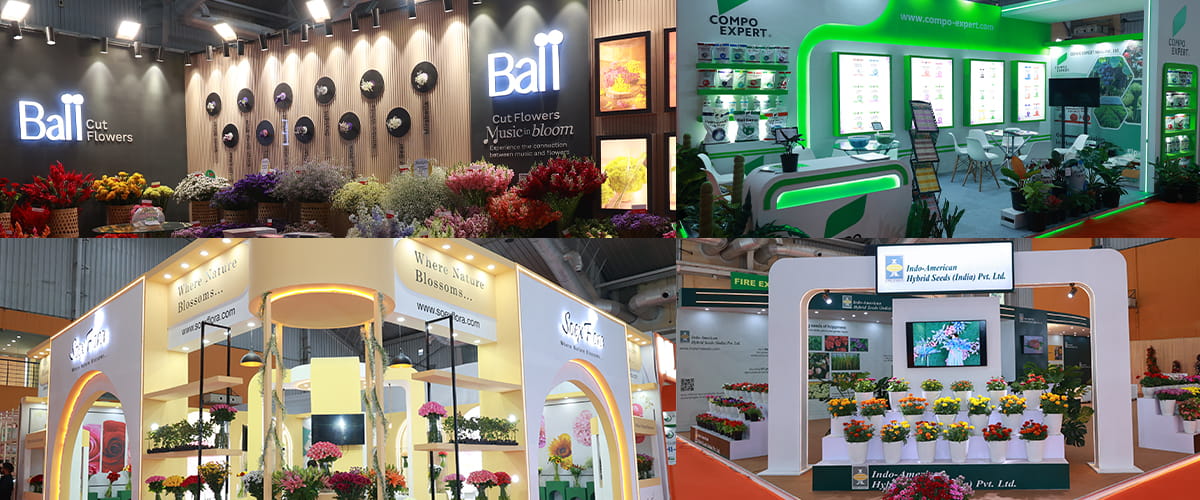
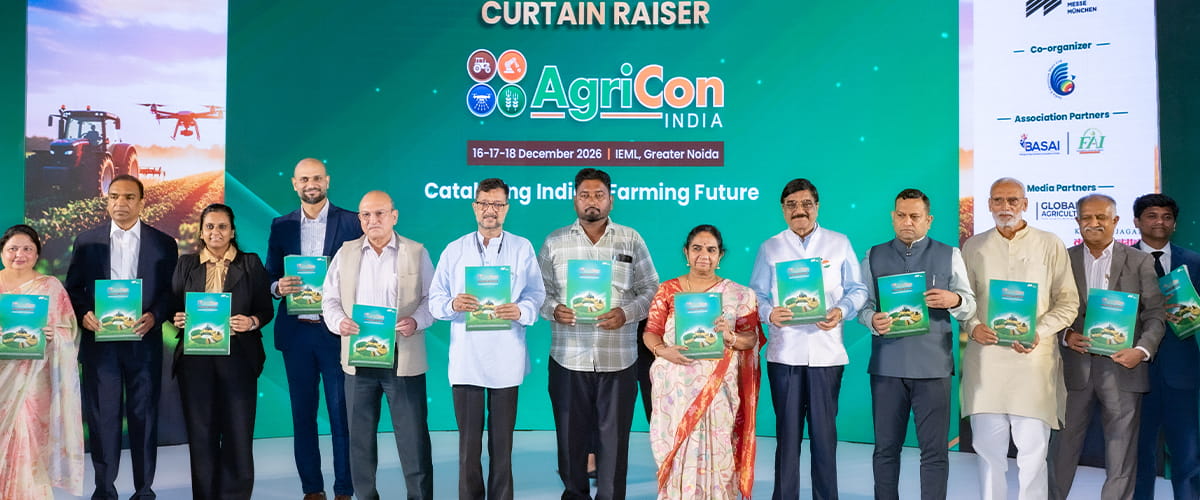
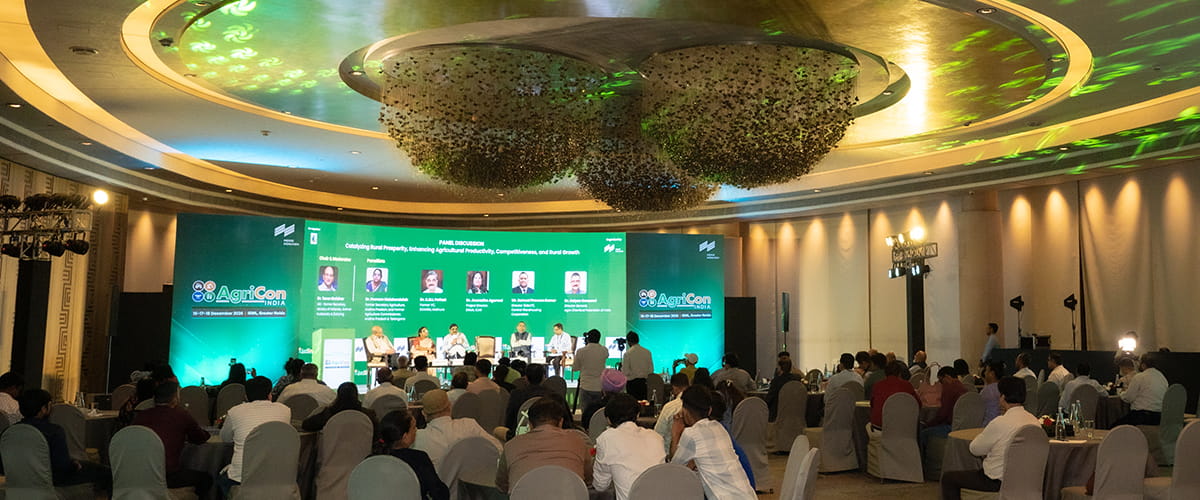
Each of these five threads has a dedicated zone on the Agricon HortiConnect 2026 floor and a matching conference track. If you operate anywhere in this value chain — producer, integrator, exporter, OEM, investor — the three days at BIEC are the fastest way to map your next quarter of partnerships. Talk to the organising team about the programme that best fits your business.